
Battle of Bannockburn Monuments
The Battle of Bannockburn Visitor Site
A programme of conservation, repair and enhancement works to the Category A listed monuments at Bannockburn's Borestone Site, undertaken as part of the wider Battle of Bannockburn Project ahead of the battle's 700th anniversary. The works restored and reconnected a significant collection of monuments, landscape features and interpretation elements within one of Scotland's most important commemorative landscapes.

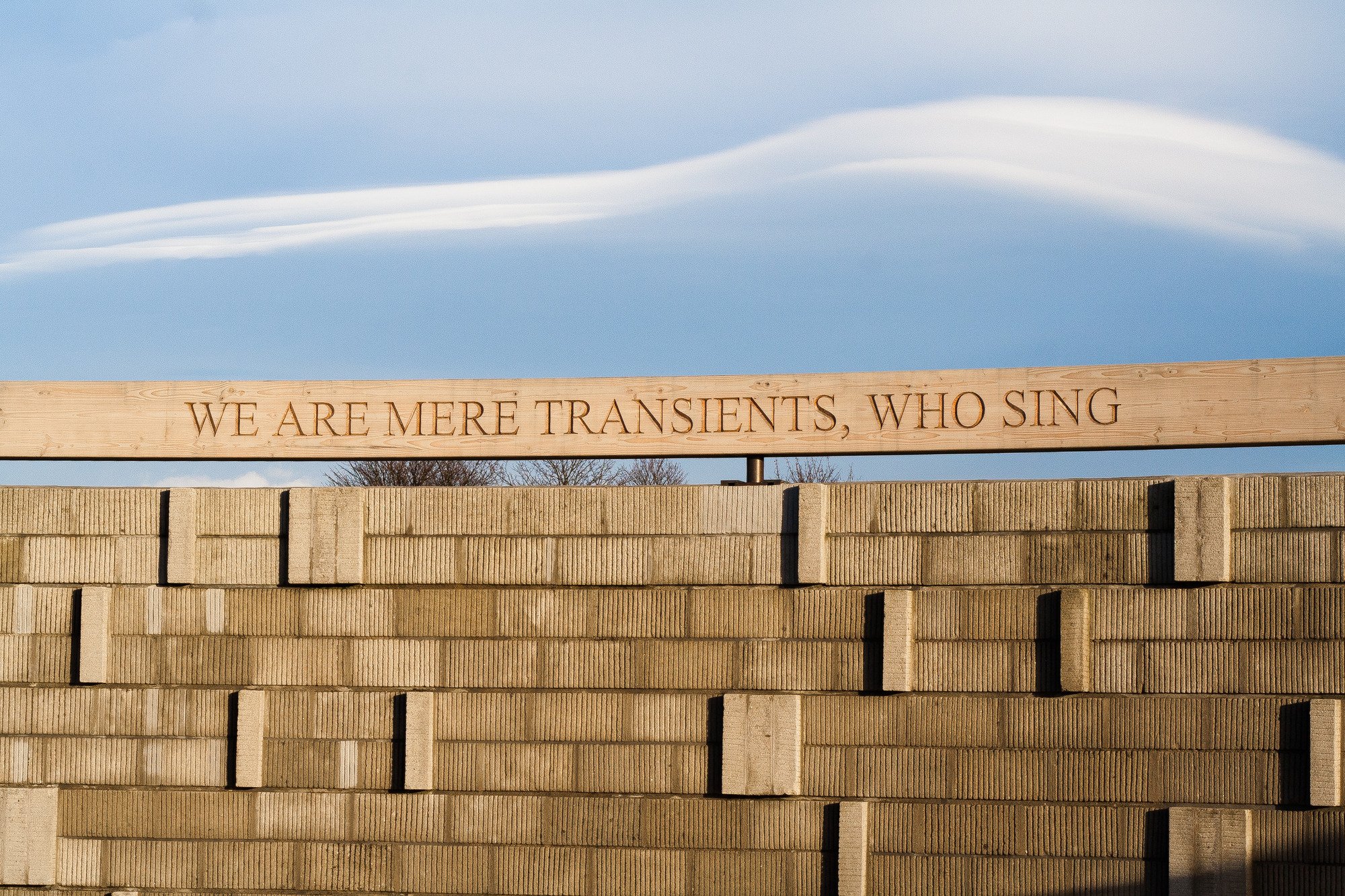
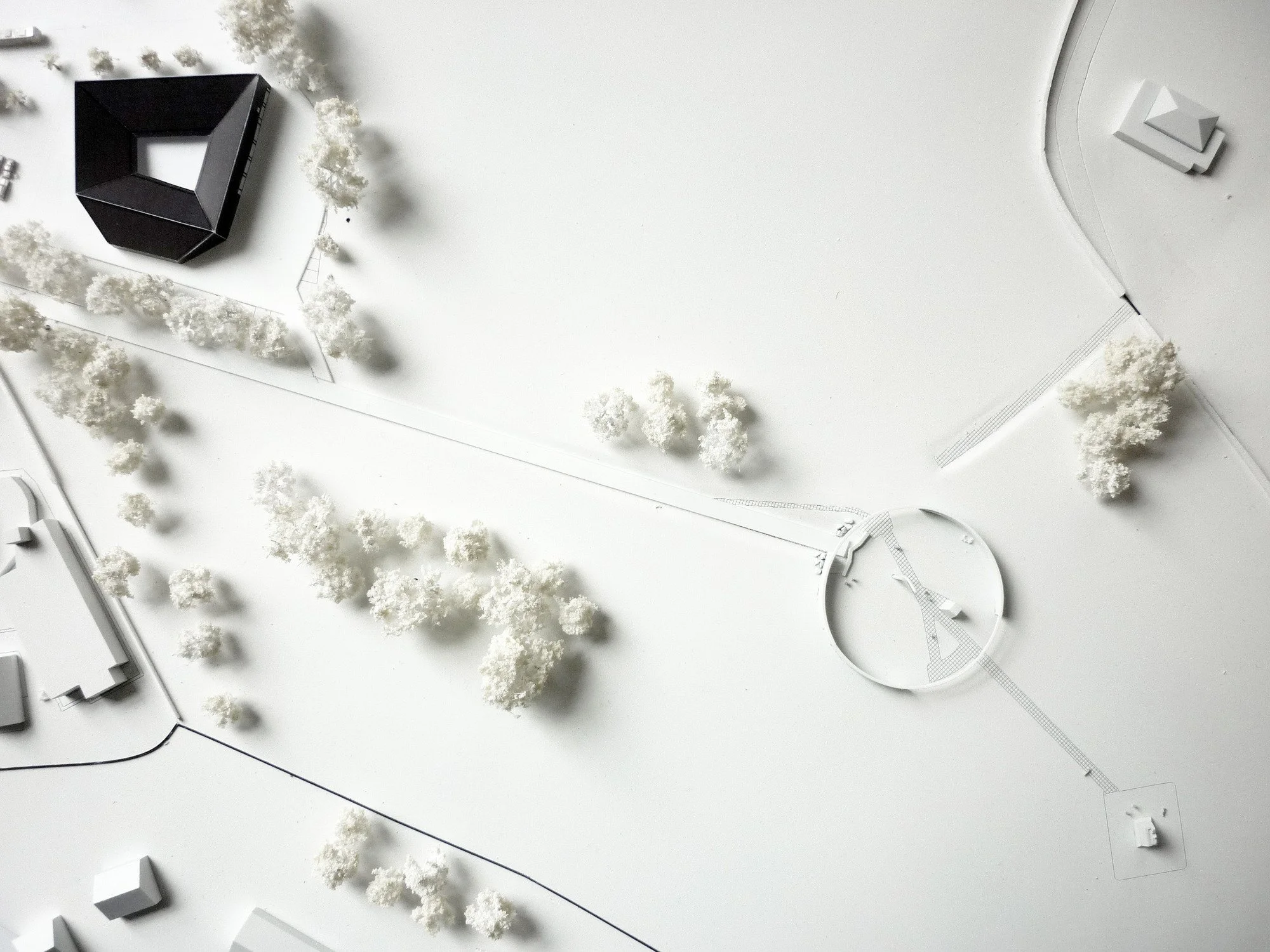
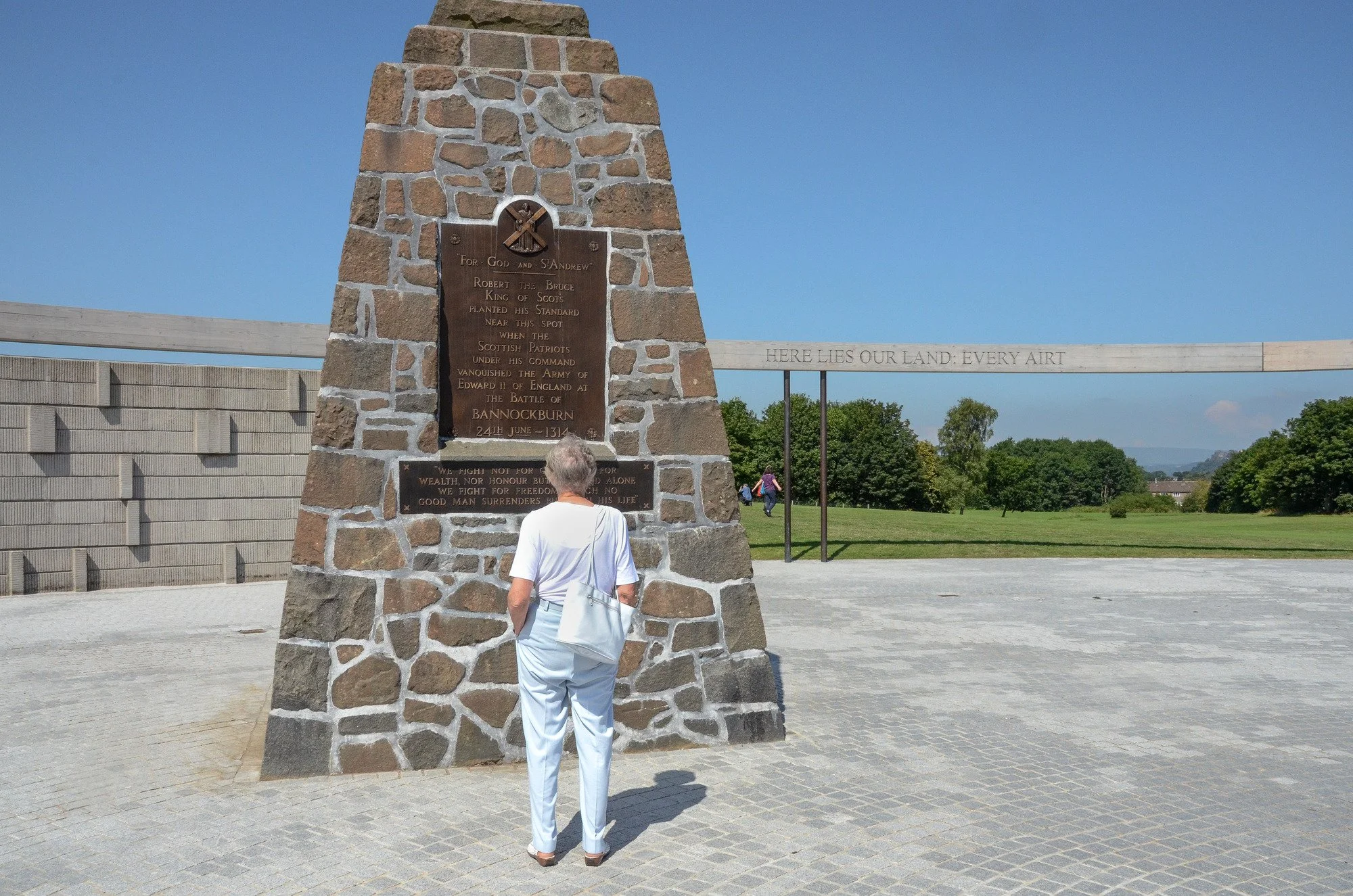
The Borestone Site at Bannockburn is a collection of monuments created over almost a century to commemorate one of the defining events in Scottish history. At its centre sit the Rotunda, Memorial Cairn, historic Flagpole and the equestrian statue of Robert the Bruce, brought together in the 1960s as part of a carefully conceived landscape of memory, interpretation and national remembrance. By the beginning of the twenty-first century many of these structures had deteriorated significantly, while alterations to the site had diminished the clarity of the original vision.
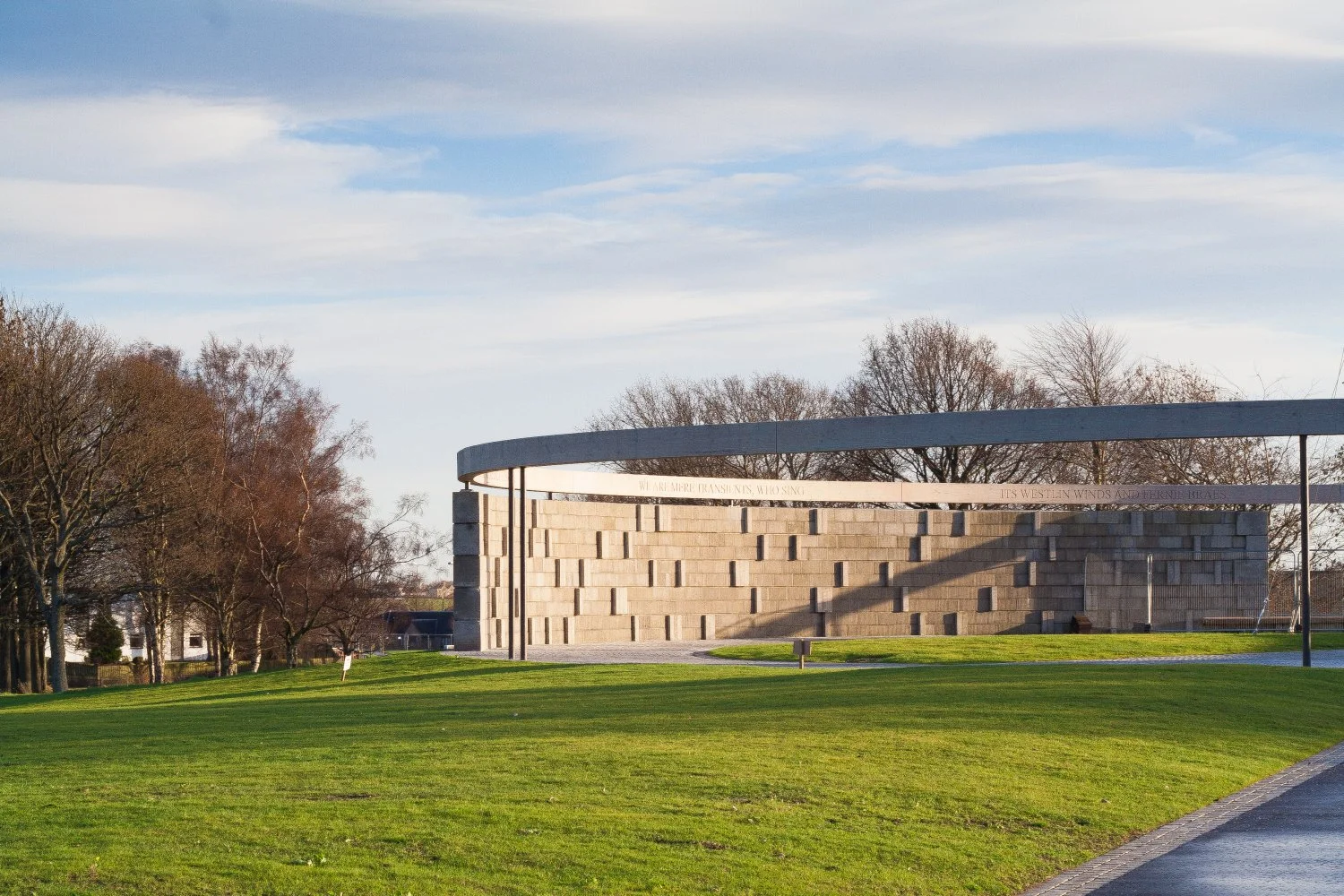
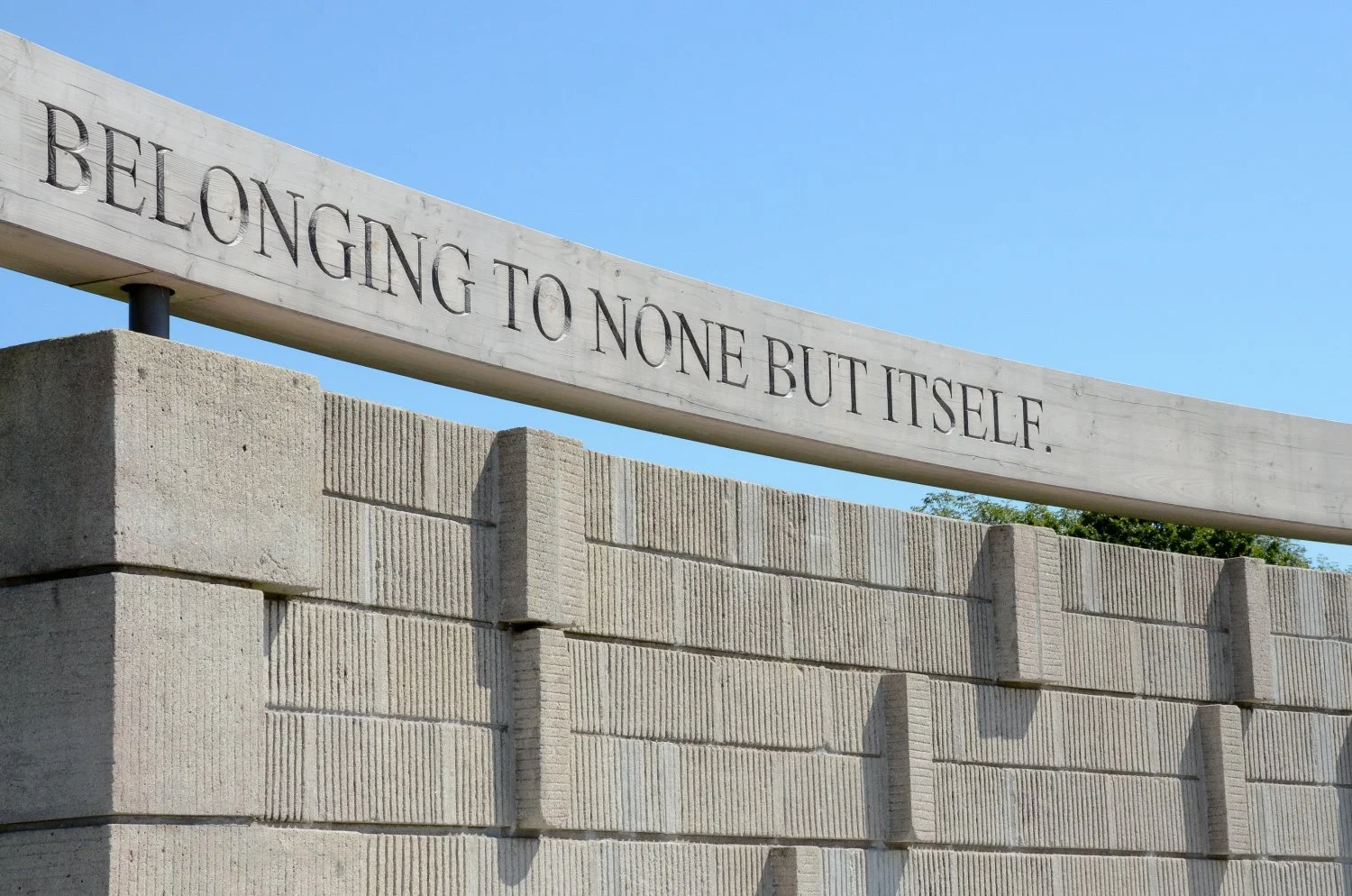
Working for the National Trust for Scotland and Historic Scotland, Reiach and Hall led a comprehensive programme of conservation, repair and enhancement works across the entire collection of Category A listed monuments. The project combined detailed investigation, conservation philosophy and technical innovation to address a wide range of challenges, from the conservation of bronze sculpture and complex granite masonry to the repair of concrete structures and historic ironwork.
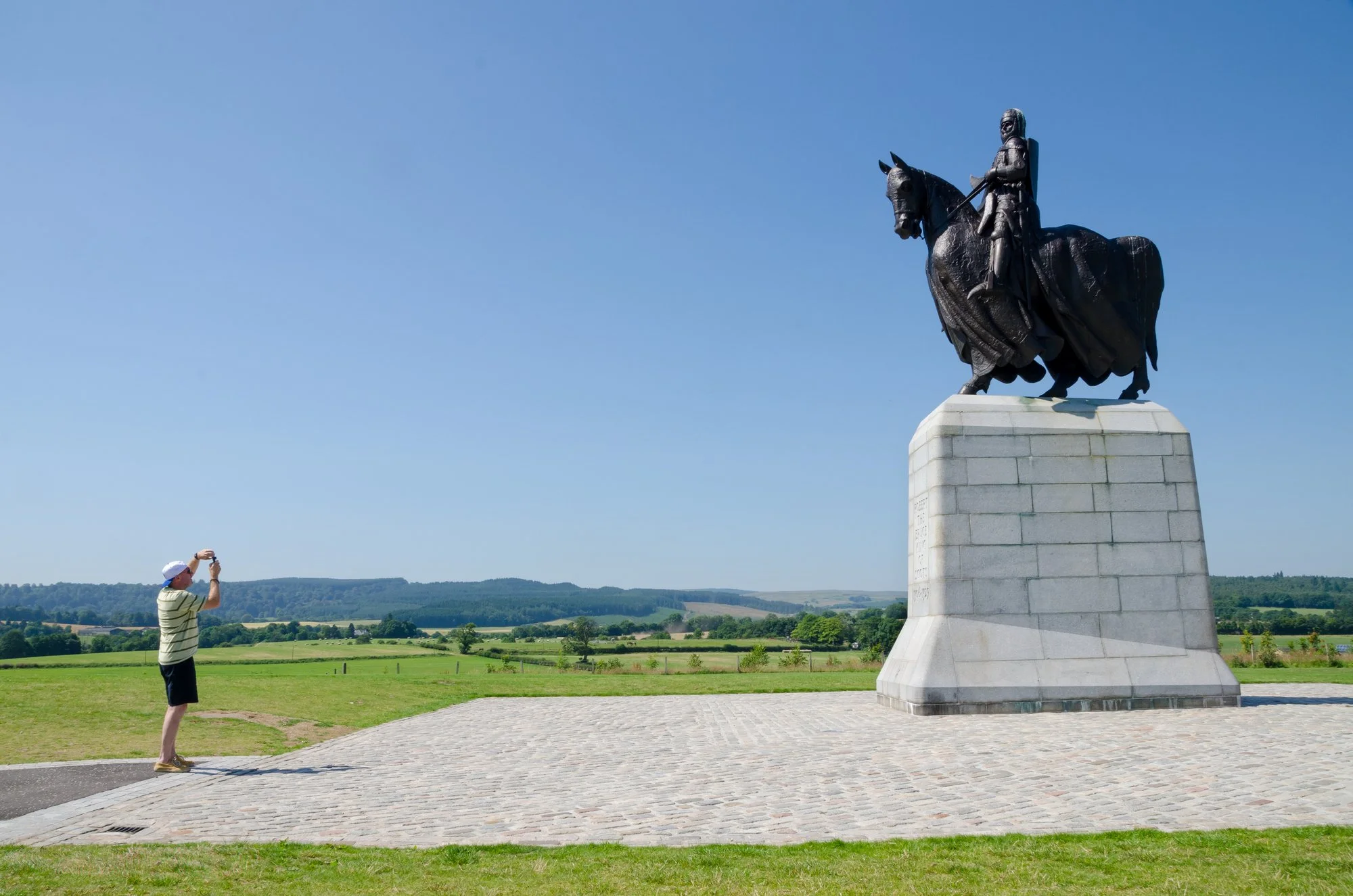
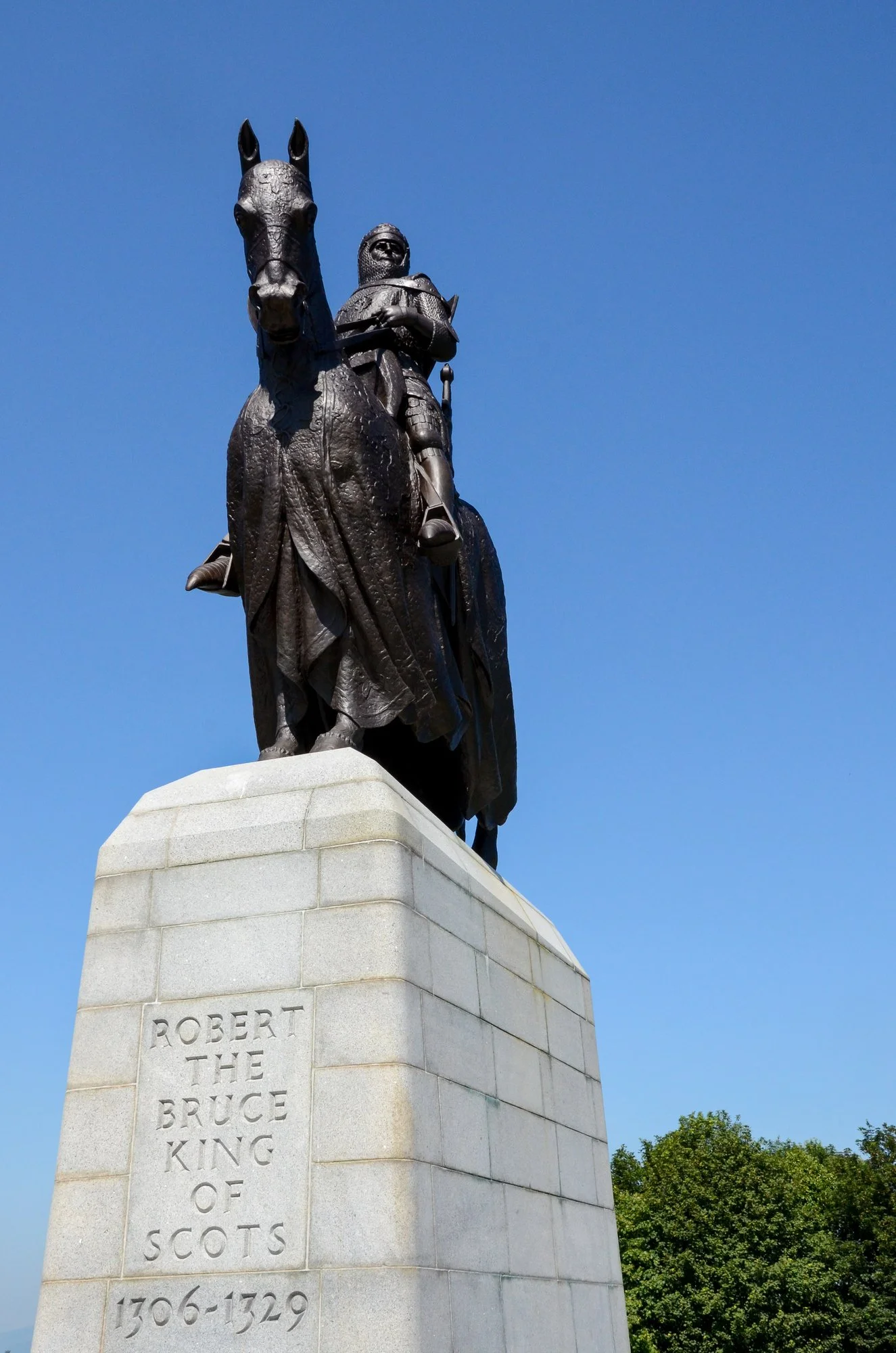

The Rotunda formed a significant focus of the work. Its deteriorated timber ringbeam was replaced, concrete masonry arcs repaired and stabilised, and the original architectural intent carefully re-established. Elsewhere, conservation works were undertaken to the Memorial Cairn, the nineteenth-century Flagpole and the iconic equestrian statue of Robert the Bruce, including extensive repairs to the granite plinth and conservation of the bronze sculpture. Throughout the project, interventions were guided by a commitment to retaining original fabric wherever possible and understanding the significance of each element before proposing change.
Alongside the monument conservation works, the surrounding landscape was restored to strengthen the relationship between the individual elements of the site. Historic surface treatments were reinstated, routes and levels improved, interpretation renewed and key views re-established. The result is a coherent and legible landscape that once again expresses the ambition of its original designers while safeguarding the monuments for future generations.
-
Client
The National Trust for Scotland & Historic ScotlandCompletion
2014Heritage Designation
Category A Listed Building -
Architect
Reiach and Hall ArchitectsConservation Architect
Andrew P.K. Wright and Reiach and Hall ArchitectsStructural Engineer
SKMServices Engineer
KJ Tait EngineersLandscape Architect
Ian White AssociatesQuantity Surveyor
Turner & TownsendInterpretation Consultant
Bright White -
European Union Prize for Contemporary Architecture – Mies van der Rohe Award 2015 Nominated
Civic Trust Awards 2015 Commendation
Scottish Property Awards Architectural Excellence 2015
Highly Commended
Scottish Design Awards Architecture Grand Prix 2014
Scottish Design Awards Leisure/Cultural Building of the Year 2014
-
The Borestone Site at Bannockburn is a collection of monuments created over almost a century to commemorate one of the defining events in Scottish history. At its centre sit the Rotunda, Memorial Cairn, historic Flagpole and the equestrian statue of Robert the Bruce, brought together in the 1960s as part of a carefully conceived landscape of memory, interpretation and national remembrance. By the beginning of the twenty-first century many of these structures had deteriorated significantly, while alterations to the site had diminished the clarity of the original vision.
Working for the National Trust for Scotland and Historic Scotland, Reiach and Hall led a comprehensive programme of conservation, repair and enhancement works across the entire collection of Category A listed monuments. The project combined detailed investigation, conservation philosophy and technical innovation to address a wide range of challenges, from the conservation of bronze sculpture and complex granite masonry to the repair of concrete structures and historic ironwork.
The Rotunda formed a significant focus of the work. Its deteriorated timber ringbeam was replaced, concrete masonry arcs repaired and stabilised, and the original architectural intent carefully re-established. Elsewhere, conservation works were undertaken to the Memorial Cairn, the nineteenth-century Flagpole and the iconic equestrian statue of Robert the Bruce, including extensive repairs to the granite plinth and conservation of the bronze sculpture. Throughout the project, interventions were guided by a commitment to retaining original fabric wherever possible and understanding the significance of each element before proposing change.
Alongside the monument conservation works, the surrounding landscape was restored to strengthen the relationship between the individual elements of the site. Historic surface treatments were reinstated, routes and levels improved, interpretation renewed and key views re-established. The result is a coherent and legible landscape that once again expresses the ambition of its original designers while safeguarding the monuments for future generations.